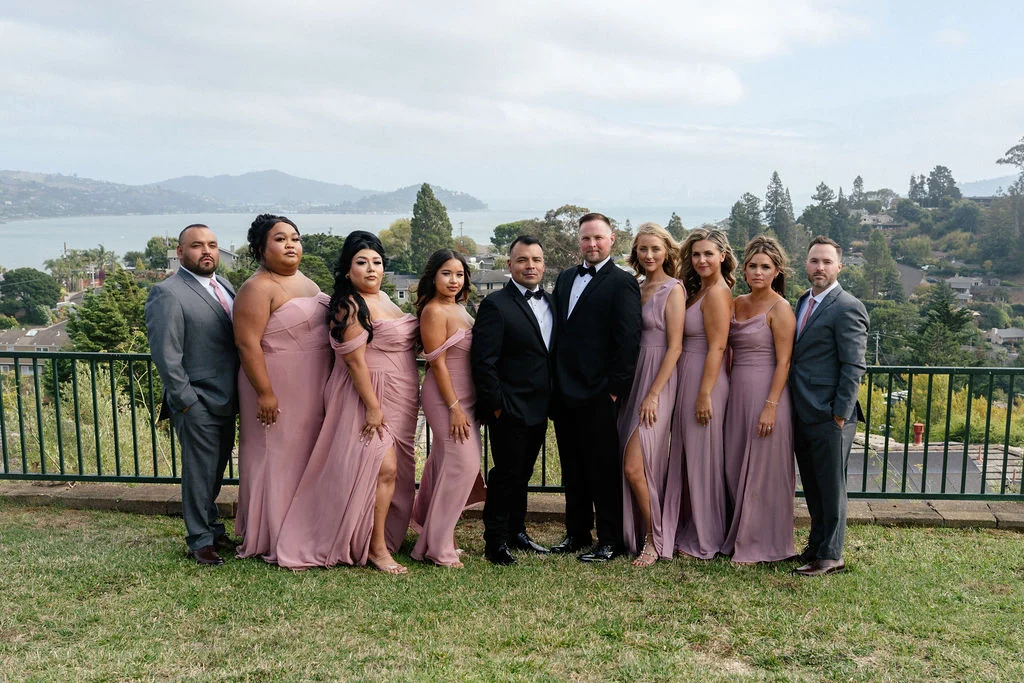
Start with a wedding you know well enough to describe without opening the gallery. If you can remember what happened, why it mattered to the couple, and which photograph shows it, you already have the center of a pitch. Your next decision is which editor has a use for that story and accepts submissions from someone in your position.
Audit three past galleries before editing one
For each wedding, write down one reader takeaway, the frames that support it and who could verify the details. For example, a restaurant wedding where the couple cooked the late-night noodles has a story if you captured preparation, service and guests gathering around the counter. A folder full of portraits might be better for your portfolio if the main event happened outside your coverage.
Check whether the couple is happy for identifiable photographs and details to be shared. Confirm the agreement with the commissioning photographer if you worked as a second shooter. Get specific approval for your proposed use and credit before proceeding. Ask the planner whether another team member has already submitted the wedding. An existing pitch affects which channels are available.
Test your eligibility against actual submission pages
Rock n Roll Bride accepts completed real weddings from photographers, newlyweds and participating suppliers. Its initial request is 10 to 20 low-resolution photographs with no watermark, with further images requested on acceptance. Its real wedding policy also addresses prior publication and simultaneous submissions.
Green Wedding Shoes requests 50 to 250 images for a wedding, each at least 2,200 pixels wide. Junebug Weddings restricts its editorial submission form to Junebug Vendors. These three routes call for different preparation. If you are starting without a directory membership, begin by reviewing publications where you already qualify and where your gallery answers the stated brief.
Give each preview image a job
For a hypothetical 12-image first pitch to Rock n Roll Bride, an opening might include an exterior that explains the setting, a portrait that reveals the couple’s style, a ceremony scene, and a close view of the object or decision in your opening sentence. Use the rest for actions and relationships that move the story forward. Finish with an image that shows what the party became once people arrived.
Review thumbnails at a small size. If two frames serve the same purpose, choose the one that explains more without a caption. Then check exposure, crop, filenames and export settings at full size. A single photograph of the noodles being plated belongs in this edit even if your favorite couple portrait is technically more elaborate.
Send a pitch you can track
Keep the email short if the outlet uses email. Name the couple as agreed, identify the date and place, explain the idea in two sentences and provide the requested preview. Test the link in a private browser window. Keep a record of the recipient, date, exclusivity policy and expected response time. Follow that outlet’s instructions for next steps. If the pitch is declined, check fit and eligibility again before preparing a new edit for another editor.
Common questions
Can a styled shoot count as my first feature?
Yes, when the publication accepts styled shoots. Apply through that category, identify the work as a collaboration and credit everyone who created the concept and images.
Do I need a published portfolio before submitting?
Rock n Roll Bride’s real wedding instructions ask for the finished wedding, an image selection and an explanation of fit. Read the eligibility requirements of your chosen outlet before investing time in the edit.
Sources
Keep reading
- Which wedding press helps couples trust a vendor?
- Is $10,000 enough for a wedding worth pitching?
- Which wedding photos should you submit to a magazine or blog?