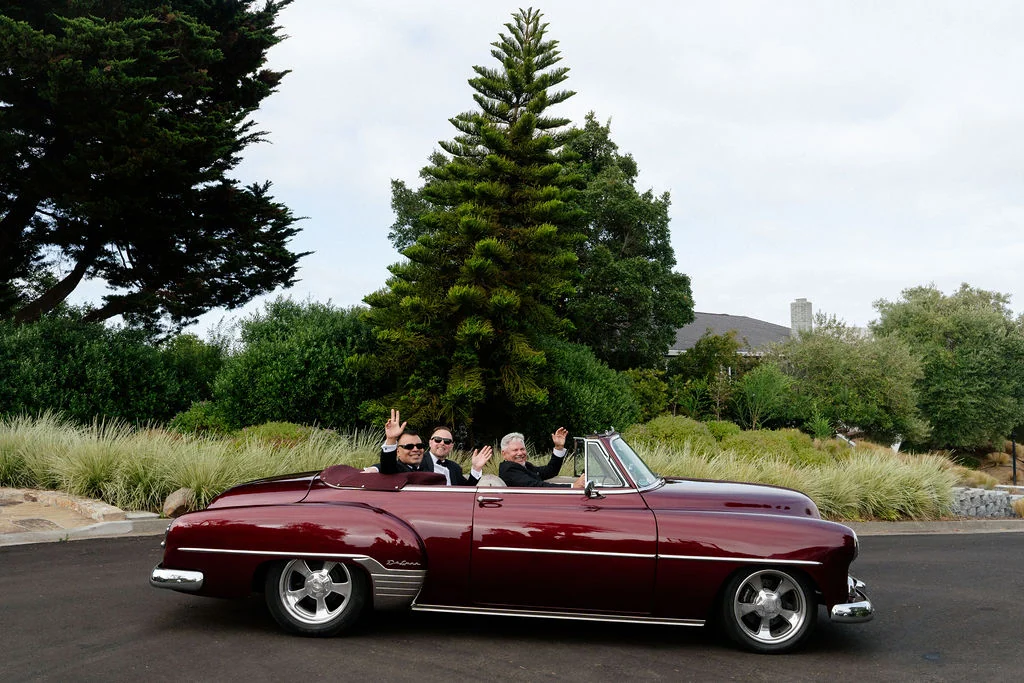
Start with a question for the two of you. If a stranger saw just one moment from your wedding, which one would you want them to understand? A good answer gives you a story to pitch, tells your photographer what to look for and helps you find a publication whose readers will care.
Find the story only you can tell
Imagine a reception where every table has a different ceramic pitcher. A caption might call them mismatched centerpieces. The story changes if the couple spent a winter making them in the studio where they met, then sent each table home with one. Ask who made the decision, what it meant and what happened on the day. One remembered exchange often supplies a better lead than a list of design adjectives.
Write down three memories separately, then compare notes. Which one needs a little explanation to come alive in pictures? Interview each other while the details are fresh. Keep a phrase exactly as its speaker said it when you want to use it as a quote, then ask them to approve the wording.
Give one person the submission
Talk to the photographer and planner about who will handle the pitch, obtain image permissions and answer editorial questions. The couple can do it too when the outlet allows it. Offbeat Wed, for example, has a form expressly for couples. Junebug Weddings takes editorial submissions through eligible vendors’ accounts. The route matters before anybody starts resizing photographs.
Agree on what can be public, from names to photographs of relatives. Ask whether anyone has already pitched or posted the event. Put the answers, the event date, city, vendor credits and a link to your selected images in one place. That is enough to start finding the right home for the story.
Turn the idea into a feature an editor can see
Lay out a short sequence before building the full gallery. For the pitcher story, try a view of the whole dinner table, a close image of the maker’s mark, a photograph of someone pouring water and a final frame of a guest carrying one home. Then give the editor the setting, people and ceremony that connect those images to a wedding.
Read two recent features from your first-choice publication. Notice what each opening paragraph explains and what a reader learns from the last photo. Adapt the selection and description to that format. Follow the current submission page for the final image count, delivery method and prior-publication rules.
Keep a record after you send
Save the submitted text, confirmation, review window and exact gallery you supplied. Keep the link working for that entire period. When a publication accepts, confirm the timing and what the team may share. When an outlet passes, revisit the angle before approaching another. A visual design feature can become a much more persuasive local story when the people who made the pieces get to speak.
Common questions
Can a couple submit without hiring a publicist?
Yes, where a publication accepts couples’ submissions. Start with the outlet’s eligibility rules and ask the photographer about permission for that specific feature.
Do we need final photographs before starting?
You can gather credits, interview each other and shortlist publications before delivery. Wait to submit until you can supply the files and details the chosen outlet requests.
Sources
Keep reading
- How to submit a wedding to Bespoke Bride
- Where to submit wedding photos for publication
- How to get your wedding into a local wedding magazine