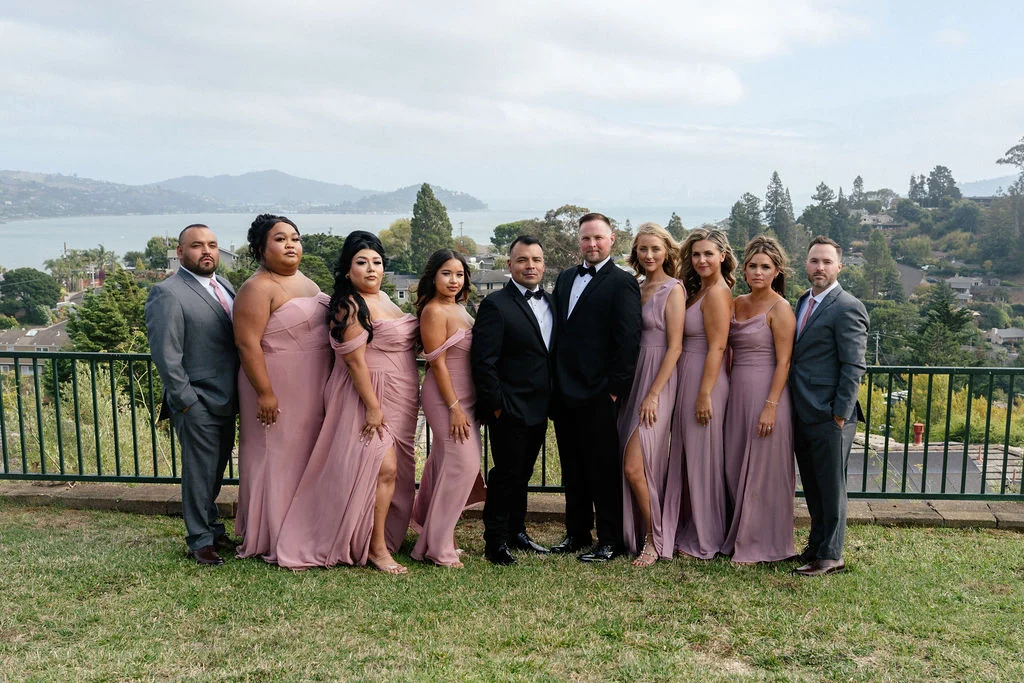
The San Francisco Chronicle covered ERIA Sausalito when a waterfront closure interrupted a corporate event and affected other bookings. The November 3, 2026 report included ERIA founder Nikita Khandheria’s account of the disruption. A venue can be a source in local news when it can explain what happened on the ground and connect a reporter with evidence.
The Chronicle’s November 3 report on the Sausalito waterfront closure
Read the article for the role ERIA actually played
Aidin Vaziri’s story concerned the historic Trident property and the city action at the time. The report cited the city, discussed the waterfront structure, and identified ERIA as an affected tenant. Khandheria explained what her team experienced during an event and described having to relocate bookings. The article is a dated account of a developing story. It provides an example of a founder speaking to the part of a public issue she directly witnessed.
Look at what a venue operator can contribute to a similar story. A reporter may already have the notice and the address. The person who was meeting arriving guests can explain how people learned of a change, what they were told next, and who was available to help. That personal account gives otherwise administrative news a human scale.
Make a change easy to verify
Imagine that a ferry timetable changes a week before several waterfront weddings. A useful tip would identify the affected sailing, link the dated timetable and introduce a planner who had to move a ceremony. An estimate of all lost spending across the waterfront would require much more reporting. Distinguish what appeared in a notice, what your team observed and what another business told you.
- Keep one dated copy of the public notice, with the issuing organization and the exact language about affected areas.
- Provide a short chronology that shows when your team learned of the change and what it did for people already booked.
- Ask a second affected person whether a reporter may contact them. Share only the details they have agreed to make available.
Choose the Chronicle desk that can use the tip
The Chronicle’s newsroom directory asks readers to identify the appropriate editor and says the newsroom prefers email, with phone calls an option when time matters. Choose the beat by the news itself. A ferry schedule, a business relocation and the return of a neighborhood restaurant could concern the same address and require different reporting.
Lead with the public consequence and put the venue’s name in context. Close with your availability, a link to the supporting record and the next time a material update is expected. If the date, scope or impact changes after you send the note, reply with the new fact and its source so a reporter can update their understanding.
Common questions
What if my venue is only one sentence in a story?
Describe that contribution precisely. For this example, the Chronicle quoted ERIA’s founder about the impact of a Sausalito closure. Link to the article so a reader can see the broader context.
Should I send an opinion essay through the same route?
The newsroom directory links separate guidance for opinion submissions. Use the appropriate editor for a reported news tip and the opinion instructions when you are proposing an argument in your own voice.
Sources
Keep reading
- How wedding professionals can answer a journalist’s expert quote request
- Where to submit wedding photos for publication
- 9 of the best PR agencies for weddings, bridal fashion and luxury hospitality worldwide