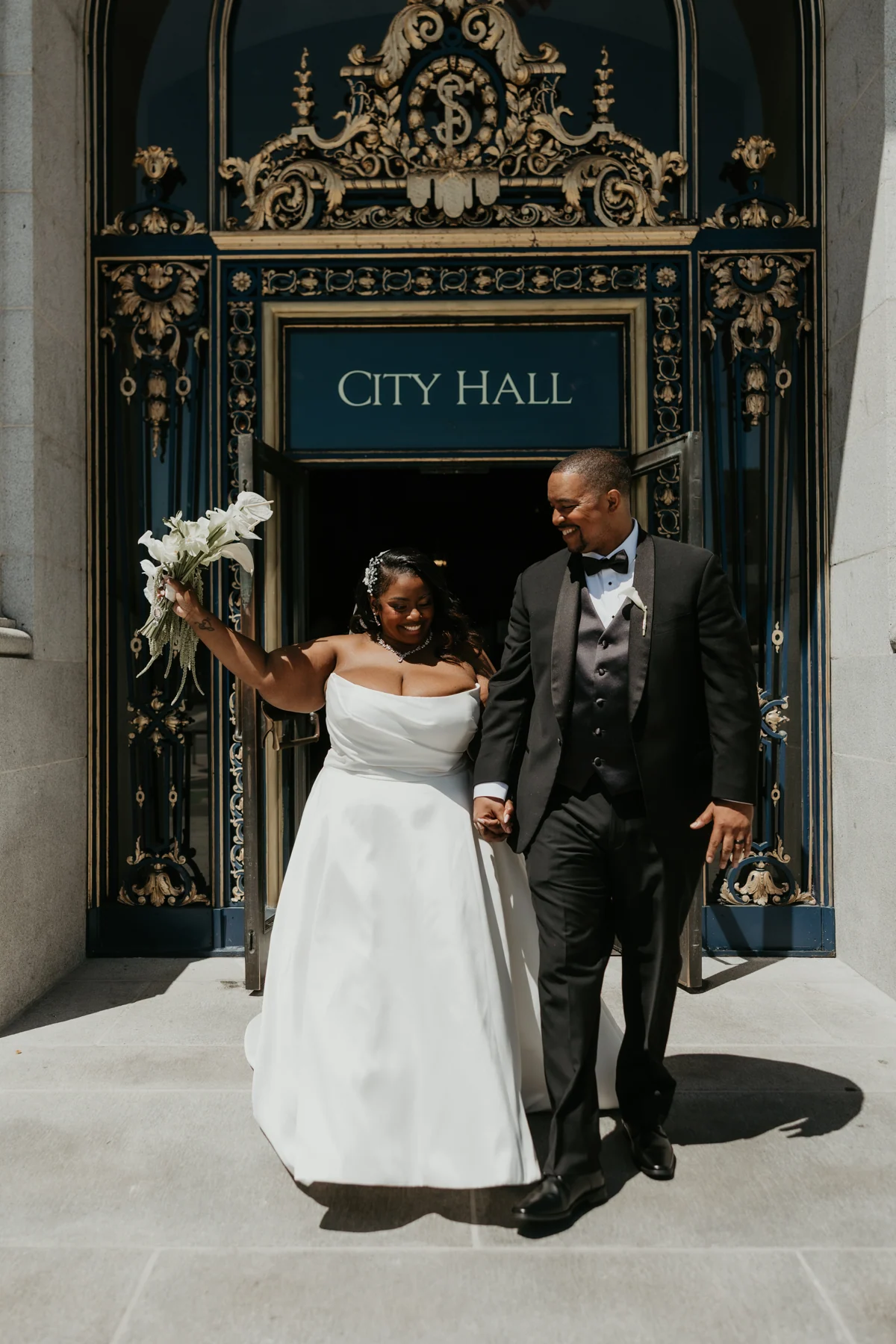
An editor is closing a regional venue roundup. She needs to confirm which room is pictured, whether it works for a seated dinner, who made the photograph and who can answer one question before lunch. If your press page takes her straight to those answers, a small page can serve her better than an elaborate brand presentation.
Put the reporting contact and basic facts at the top
Lead with a monitored media email, the name or role behind it and a one-sentence explanation of the business. Include the correct spelling of the business and founder, the places you work and a date for facts that are likely to change. A venue with multiple locations should give each location its own address and fact sheet. A planner who works nationally can specify their home base and where particular work took place.
Separate event configurations when giving figures. If a room seats 70 for dinner and accommodates 100 for cocktails, tie each figure to the correct space and layout. Verify the numbers with operations before publishing. Give an editor the person who can confirm a custom layout rather than an unexplained range copied from a sales proposal.
Package images so their credits travel with them
Pick a small selection covering the exterior, room in use, a detail and an approved headshot if the business offers expert commentary. Each downloadable file needs a caption that identifies the scene, city, photographer and permitted uses. If an image can be supplied only after a request, label it and explain who handles that request.
Try an ordinary filename such as “north-room-seated-dinner.jpg.” Put that filename beside the caption and photographer credit in the accompanying list. Editors routinely hand pictures to someone who never read the original email. Matching filenames give the photo desk a way to reconnect a stray image with its credit.
Give coverage, announcements and images their own labels
ERIA’s press archive provides filters for its founder, brand and individual venues and links coverage back to the outlets. SFMOMA’s press room gives journalists a press contact and a route to institutional resources. San Francisco Travel also makes its image library accessible from its media page. A wedding business can borrow the navigation ideas while keeping the volume of material proportionate to its size.
For each outside feature, name the outlet, link the original headline and identify what the business contributed. Label company announcements as updates from your team. Finish with a five-minute test. Ask a colleague on a phone to find the founder’s preferred title, locate the photographer credit for one image, open the original article and contact the right person. Fix whichever step sends them searching.
Common questions
Do we need a downloadable PDF media kit?
It can help with offline planning, but put core facts and the media contact on the page as readable text. Date the PDF so an editor can tell which version they have.
Should press images be accessible to everyone?
Use the delivery method the photographer and subjects have approved. Offer a named image contact for restricted photographs and a written credit and usage note for each supplied file.
Sources
Keep reading
- How to measure wedding PR with referral traffic and qualified inquiries
- How to get your wedding published