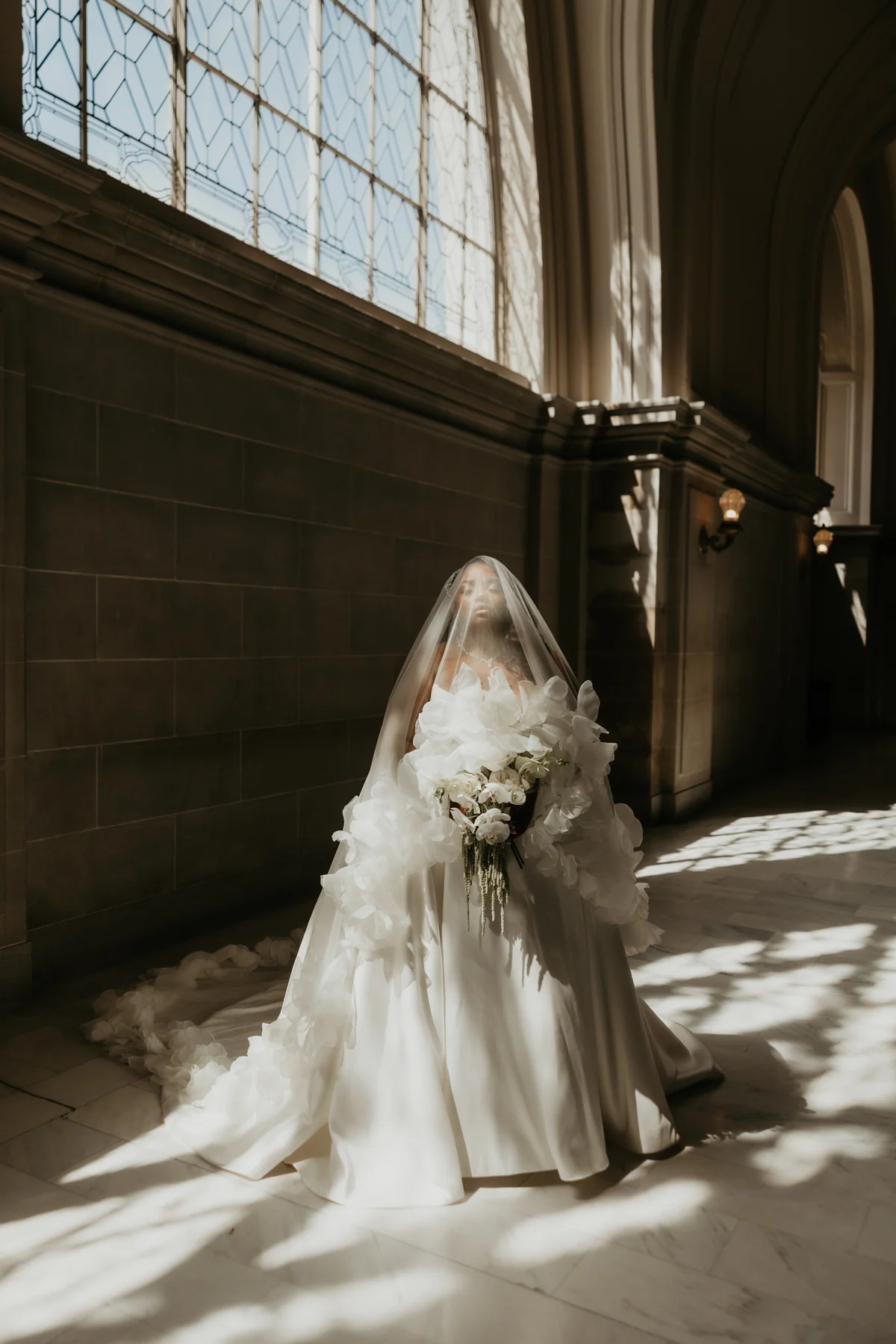
A wedding fashion credit should answer three questions. Who made the piece, how did it reach the person wearing it, and which photograph shows it? Keep those answers with the image filename. It is much easier for a writer to check the jacket in frame 024 than to untangle a dozen brand names listed under a gallery of three outfits.
Identify the roles behind the look
Start with one look at a time. Record the occasion, wearer, garment, maker or label, person who supplied it, person who altered it and photographer. Add the stylist and the names of people responsible for visible accessories, hair and makeup where relevant. A vintage dealer may have found a dress made by a house decades earlier. A tailor may have rebuilt the bodice. Saying who did which part gives each contributor a credit they can recognise.
Verify collection details and family history separately
A care label might establish a brand while saying nothing about the year or season. Ask the dealer or house to confirm a collection claim and keep the response beside the credit. For an inherited piece, ask the lender who first wore it and at which event. Vogue’s coverage of Sarah Istel’s Mexican wedding explains how flower appliqués from a dress became earrings. The material’s origins and the person who transformed it are two different facts to establish.
Write a caption someone can use
An illustrative entry might read, “Frame 024. At dinner, Ellis wore a wool jacket originally made for their grandfather. Tailor Inez Cole shortened the sleeves and reset the brass buttons. Photograph by Ren Vale.” In your working sheet, keep supplier links and contact details in separate fields. In the caption, use the names people want to appear in print. Where the maker is unknown, a well-documented family history can carry the sentence.
Audit the gallery after the last export
Open the finished edit and check that every look change is reflected in the credits. Confirm that a second photographer’s frames carry their own byline or the agreed studio credit. Compare the fabric color in the caption with what the contributor called it. Hold a detail marked for confirmation out of the editor-ready caption until it is resolved. In Vogue’s feature on Patricia Torvalds, the image credits themselves change across the story. A single credit pasted under every photograph would lose that distinction.
Common questions
How should we credit a borrowed item?
Name the maker when known and record who lent the item in the wording that person approves. “Pearl earrings borrowed from her aunt” is a complete description if the original maker is unknown.
Is a social media handle enough?
A handle is helpful for social distribution. Also supply the full preferred credit, role and a verified website if available, so a print editor or writer can identify the person without relying on an account name.
Sources
Keep reading
- How to photograph a fashion-led wedding for publication
- A wedding submission checklist with a vendor credit template