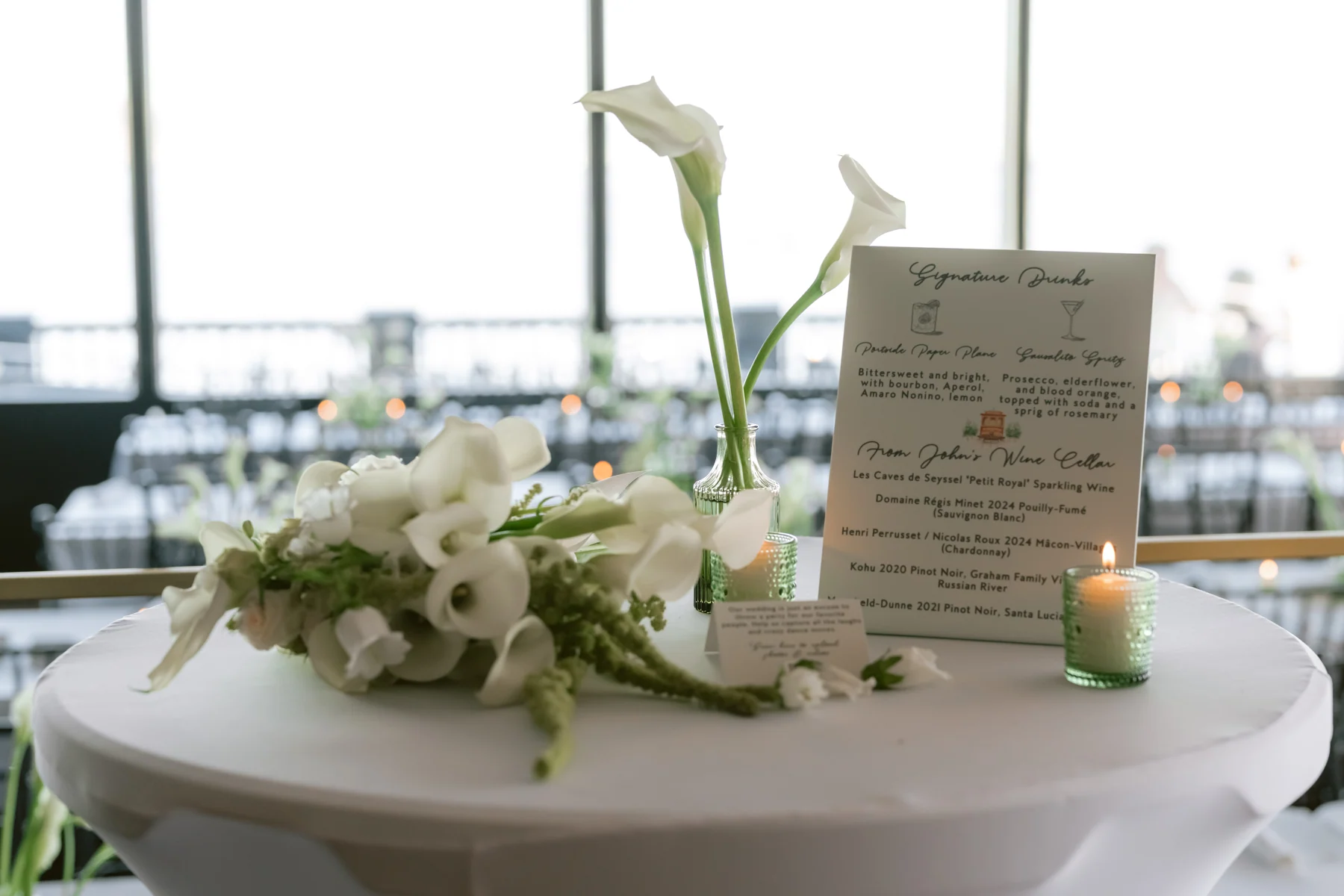
A florist can create a centerpiece in a vessel supplied by a rental company, on a table designed by a planner, inside a room run by a venue. “Decor by the planner” loses three contributors and leaves readers unable to find the pieces they like. A useful wedding submission checklist starts with the actual work and the people responsible for it.
Gather the information that travels with every pitch
Create a master event record. Keep public copy in one part and the private contact information for editorial follow-up in another. A photographer’s booking phone number or a family member’s email does not belong in a credited caption unless they expressly want it there.
- Event facts. Record the event type, date, city, venue and names the couple wants published. For a weekend celebration, identify the location and date of each event.
- Story. Save a short description, a few specific details, any approved quotes and the name of the person who can verify them.
- Images. Record the gallery link, access instructions, photographer credit and any photographs excluded from publication.
- Submission history. Record earlier features, pending submissions, social sharing and any restrictions attached to the image selection.
Give each contributor a credit they can recognize
Set up a sheet with columns for role, public credit, official website, social handle, event or image, and confirmation. Ask vendors to send the line exactly as they would like it printed. Green Wedding Shoes collects planning and event design separately and has distinct fields for a dress designer and boutique. Those distinctions are easy to lose when starting from invoices alone.
For example, the role might be “ceramic vessels,” the public credit “the maker’s studio name,” and the image note “head table, files 27 and 29.” If a relative made the pieces and prefers a first name, record the agreed wording and leave the business links empty. A credit can be accurate without a commercial handle.
Audit one photograph at a time
Look at the opening portrait, ceremony wide shot and reception table. Name every piece a reader might ask about. Who made the suit? Who tailored it? Who designed the lettering, who printed the menus and who drew the illustrations? Ask the planner about overlapping roles. Do not award a design credit simply because someone transported or installed an item.
Send the proposed list to the couple and the planner for practical corrections, then check the live websites yourself. Use the same spelling in the form, captions and email. Save the exact list submitted so a later correction can identify one line rather than invite a full second round of fact-checking.
Common questions
Does every vendor need an Instagram handle?
Use each outlet’s required fields. Where a contributor has no handle and the field is optional, give their approved name and website. Check with the editor if a required field cannot be supplied.
Who should receive the photography credit if two teams contributed?
Ask both teams how their images should be attributed. Keep file-level credits for separate images so the editor can identify which team made a particular photograph.
Sources
Keep reading
- How a wedding editorial credit can lead to a vendor introduction
- How to get permission to submit wedding photos for publication
- How to credit wedding fashion in an editorial submission