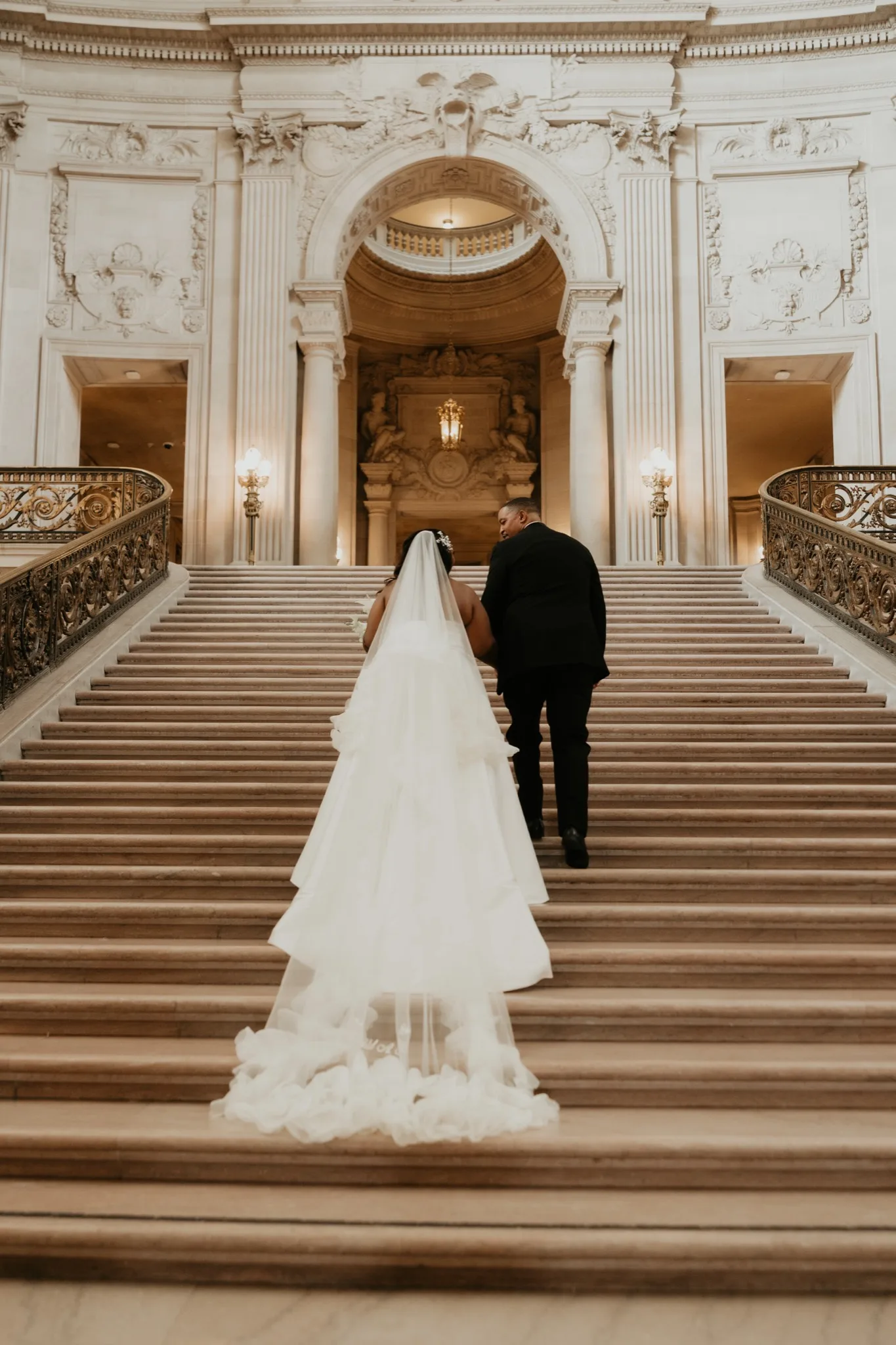
A reporter calls a venue owner to ask whether couples are moving their receptions earlier. The owner remembers wrapping several recent weddings before sunset. Her event calendar can establish which ones changed. Her recollection alone cannot tell a reporter what every couple in the city is doing.
Find out what the reporter is reporting
Ask for the outlet, their angle, whether the conversation is live or recorded, the expected length and their deadline. The American Psychological Association’s interview guide suggests finding out why the story is timely and what expertise is needed. Those questions transfer well to weddings. A shift in inquiries, a change in signed contracts and an earlier reception end time are three different things you might be asked to explain.
Agree on how you will be identified. Treat the conversation as attributable unless you and the reporter explicitly agree on different terms before discussing a particular point. The Associated Press explains that it generally interviews on the record and does not promise a full question list or preview of the finished article. Ask the particular outlet how it works if you need clarification.
Prepare a page you can actually use on the phone
Divide a sheet into four boxes. Put the question in the first. In the second, put the narrowest claim your records support. In the third, record the source and comparison period. In the fourth, write down one example you can discuss without identifying a private client. Leave room underneath for facts you promise to check.
For the earlier-reception interview, sort your event records by actual reception start time and compare the same months across the two years. Keep inquiries in a separate column. If your opening hours changed between years, include that information. It may explain a change in bookings that otherwise looks like a shift in what couples prefer.
Give the reporter a scene and a boundary
An answer might sound like this. “At our venue, the change I can describe is in how couples use the hour before dinner. A couple last month moved portraits before the ceremony so they could sit with their grandparents during cocktails.” Use a real example with the appropriate permissions and say if the pattern is only an impression.
If asked for a figure you have not checked, say what you need to look up and give a time you can deliver it. After the interview, send the promised number with its period and definition, the spelling of names and a short explanation of any correction. A useful follow-up changes or confirms a fact the reporter needs for the story.
Common questions
Should I send talking points before the interview?
If helpful, send the two topics you can address and a link establishing your role. Save your detailed notes for the conversation so there is space for real questions.
Can I ask to approve my quotes?
Ask about the outlet’s process before the interview if this matters to you. AP explains that reporters may check facts or quotes at their discretion and that sources do not review the story in advance.
Sources
Keep reading
- When a niche or local wedding feature is worth more to your business
- Can a non-celebrity wedding be featured in Vogue?