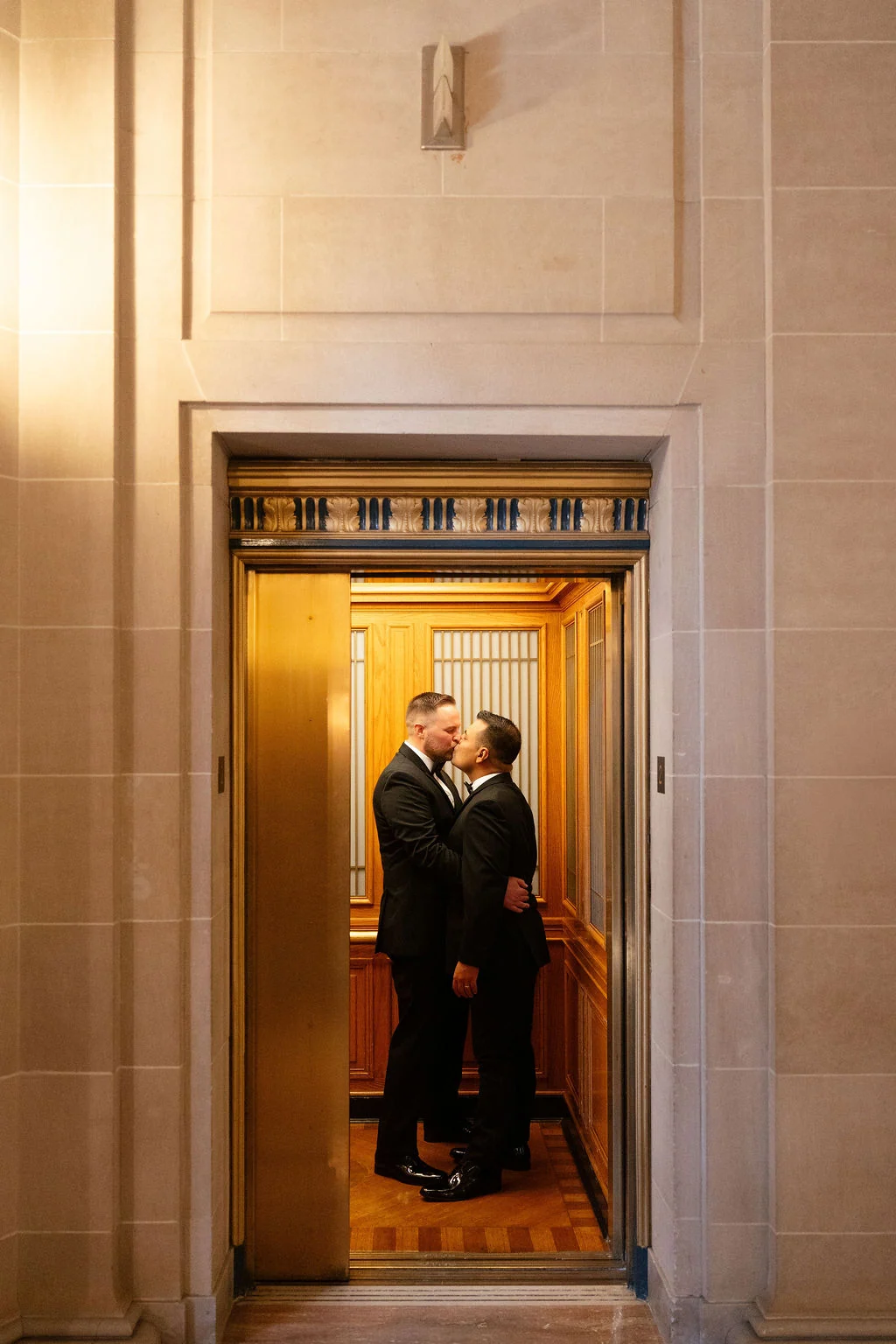
Yes. Vogue profiled software marketing manager Monica Sallay and the Balenciaga dress she found at a thrift store years before her courthouse wedding. It is a concrete example of coverage built around a person’s eye and the history of a garment. It gives a reader more to work with than speculation about a minimum budget, celebrity guest or follower count.
Start with what you noticed before there was a wedding
Sallay was already a collector. That matters because the piece makes sense in the context of her life. What were the two of you doing long before booking a venue? A ceramicist may remember the first practice cup that became part of a dinner service. A schoolteacher may have saved every note her partner left in her lunchbox. Start by explaining why someone kept doing something. The object that appeared at the wedding can come later.
Interview each other for ten minutes
Take turns answering three questions without glancing at the pictures. Which decision did other people find surprising? Who taught you how to do or make something? Which part of the day would be hard for a stranger to understand from the photograph alone? Record the phrases you actually use. “My brother had been saving that jacket for me since sixth form” makes a more interesting opening than a description of timeless family style. Check that the person quoted is comfortable sharing the detail.
Choose the format that fits the evidence
A story centered on one object may suit a fashion article even when you have little reception imagery. A wider real-wedding gallery needs enough material about both partners, the setting and the day to sustain the story beyond the hook. Compare a single-garment article with Vogue’s vintage bridal roundup. A roundup might use one image and a short caption about a look. Decide which form you would be happy to see and explain what material is available.
Build around what you already own
Imagine a couple who wore jackets they had patched together on a long-distance train journey. A portrait of both jackets, a detail of the contrasting stitching and a first-person account of where the fabric came from might be enough to explain the idea to an editor. An old snapshot from the journey could deepen it if its photographer agrees. A new designer purchase would add little. Put the time into locating that photograph and checking the story.
Common questions
Do I need a custom designer dress?
Published Vogue wedding fashion includes thrifted pieces and vintage suits. The evidence for a particular story might be an unusual cut, a long search or an unexpected use for a garment. Give the piece its real history.
Should we promise vendors our wedding will be published?
Tell them where you hope to pitch and what help you need with photographs or credits. Share confirmation when an editor provides it. Selection remains the publication’s decision.