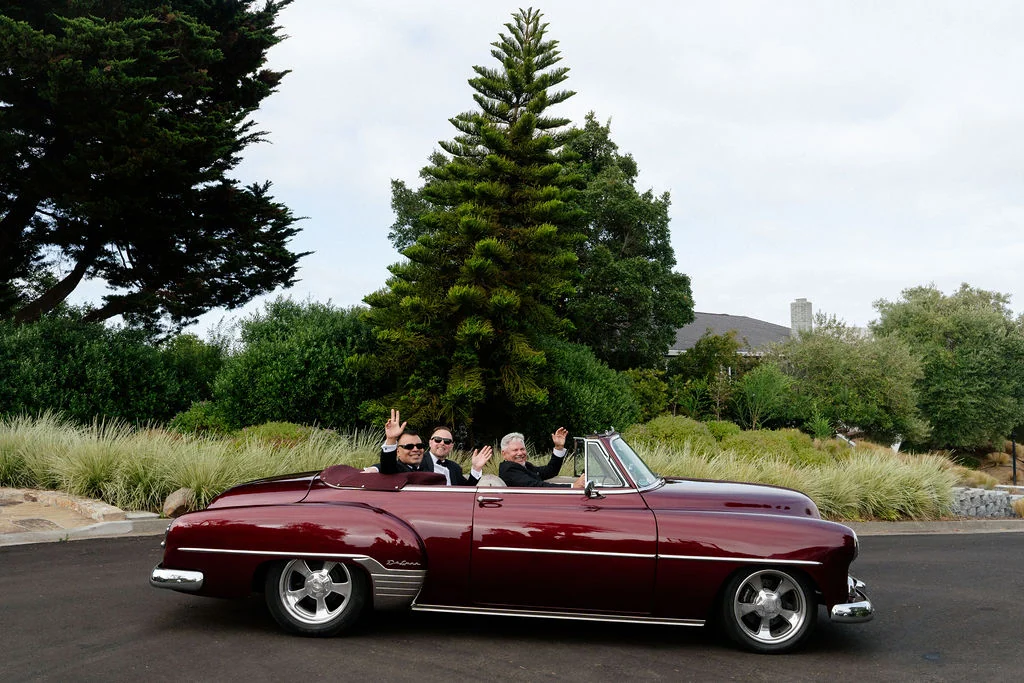
Consider a stationery studio opening its doors for a free afternoon of letterpress demonstrations. Engaged couples might enjoy it, and so might a neighbor who has always wondered what the machine sounds like. A calendar editor needs to know that either person can actually walk in and what they will find when they do.
Match the event to a reader and a date
Settle the public details before submitting. Who can attend? Do they need to reserve? When does the last demonstration begin? If prospective clients must apply for a private appointment, describe that accurately and look for a calendar that accepts that format. A public event listing should give a stranger enough information to decide whether to make the trip.
In the Bay Area, Funcheap says it focuses on affordable local events and advises sending notices at least two weeks ahead. San Francisco Bay Area Moms welcomes community events of interest to families and asks organizers to specify when an activity is adults-only. Choose the calendar whose audience can benefit, then check the current submission page for that outlet’s lead time.
Write a listing someone can use on the sidewalk
Here is a fictional listing to show the level of detail. “Open letterpress studio, June 12, 1–4 p.m. Pacific. Watch a stationer set a wedding invitation in type, then print a keepsake card. Demonstrations begin on the hour, with the last at 3 p.m. Entry is free. Reserve one place per person. Children age 10 and older may participate with an adult.” An actual listing also needs the verified studio name, street address, city and official registration link.
Give the calendar a descriptive title that makes sense outside your website. Include any charge for supplies even if admission is free. Funcheap’s form asks for the lowest regular adult ticket price with taxes and fees. If there are early-bird and door prices, make clear which applies and when it changes.
Keep one official page current
Publish the location, time zone, arrival instructions, accessibility details you have verified and a contact for questions on a stable event page. Send the direct link. A general homepage or a social account with last month’s post pinned forces readers to find the event all over again. Supply an image approved for calendar use and the photographer’s preferred credit.
Save each submission confirmation and its update route. If the event sells out, moves or is canceled, change the official page first, then send each calendar the original title, date, listing link and exact replacement details. An updated Instagram story alone leaves last week’s event listing sending guests to the old door.
Common questions
Can we list a free open house that requires an RSVP?
Say so in the first lines, link directly to registration and explain whether walk-ins can join. Mark the capacity or closing time if that affects attendance.
Can a venue send one listing for a whole season?
Check whether the calendar supports recurrences. Separate dates when the venue, price, activity or audience changes enough that an attendee needs different instructions.
Sources
Keep reading
- How venue press can earn a place on a corporate planner’s shortlist
- Build a wedding photography timeline with room for a feature